Organics refers to both yard trimmings and food scraps. The New York State Department of Environmental Conservation places a high priority on managing these materials through reduction, reuse, and recycling, including composting.
Monroe County is currently in the process of developing an Organics Management Plan (OMP). For additional information on the OMP's vision, goals, timeline, and to see a recording of the public information and input metting, visit the OMP page below.
Visit Organics Management Plan Page
Share your thoughts on organic recycling via email at: [email protected]
On This Page
ecopark Compost Give Back
Ever wondered how Monroe County makes compost and where you can get some, any time of the year? Watch this video to find out!
Yard Waste
Yard waste includes leaves, grass clippings, hedge trimmings and garden debris. Uncontaminated yard waste is banned from Monroe County landfills, but once yard waste enters a garbage truck and is mixed with household garbage, it is considered contaminated. The New York State Department of Environmental Conservation estimates yard waste comprises, on average, five percent of garbage. A 2010 characterization study of items disposed by Monroe County residents found that 17 percent of local garbage was yard material that could have been recycled. Many local municipalities have seasonal programs (such as Christmas Tree Recycling) that handle certain yard waste diverting it from the landfill and providing a valuable resource.
In Monroe County, twelve towns, two villages, and one school district own and operate yard waste composting facilities. In most cases, the final compost product is made available for use by local residents or used on local municipal projects. Monroe County owns and operates two yard waste composting facilities and all Monroe County residents have access to free compost at the ecopark during regular operating hours.
Currently the City of Rochester, all 10 villages in the County, and 14 of the 19 towns in the County provide curbside yard waste collection services to their residents. Visit the links below or contact your municipality for instructions on when and how to place yard waste at the curb for collection (bagged, in container, loose piles etc.).
Towns
City of Rochester
Villages
- Brockport
- Churchville
- East Rochester
- Fairport
- Hilton - Brush • Leaves
- Honeoye Falls - Brush • Leaves
- Pittsford
- Scottsville
- Spencerport
- Webster
O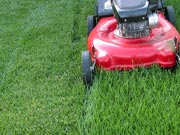 rganics Recycling Tips
Residents can handle yard and food waste responsibly by:
Grasscycling
Residents can recycle grass by cutting it frequently and leaving it on the lawn. This technique is called grasscycling. Research shows that grass can be beneficial to a lawn’s fertility and general health by leaving it on the lawn to act as a fertilizer after mowing. Grasscycling can be done using an existing mower. For optimum results, the mower blade should be sharp and the grass cut when dry.
 Christmas Tree Recycling
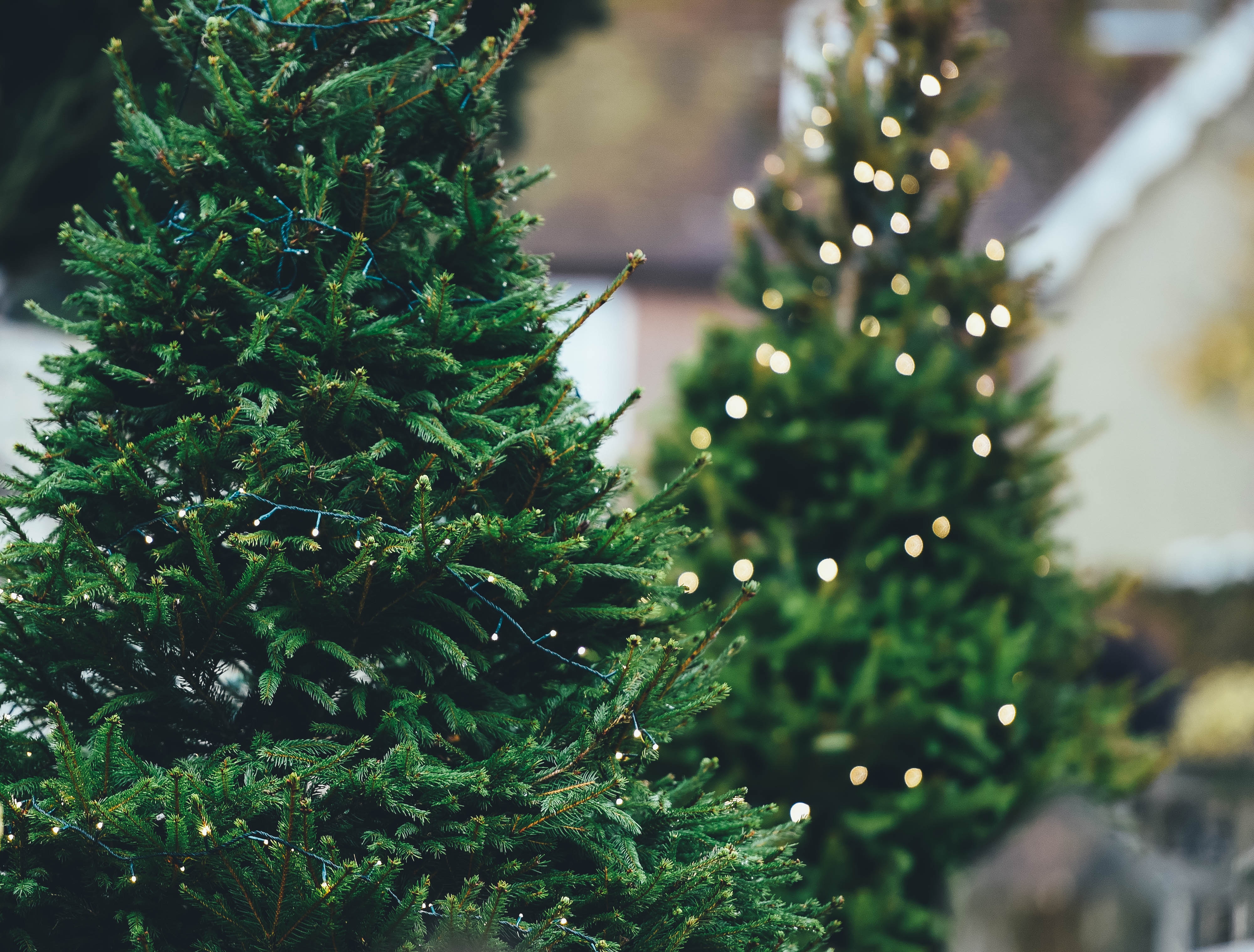
Many municipalities offer pick up and drop off services for Christmas trees after the holidays. Trees are ground into woodchips, diverting valuable materials from the landfill for landscaping use by municipalities and residents.
Please remember to remove all decorations, plastic bags, wires and nails from trees to avoid damage to processing equipment. Where chipping is available, residents should check with their municipality for giveback programs.
Backyard Composting
Composting is nature’s way of breaking down plant materials and recycling them into a valuable product. It is a simple and useful way to reuse your leaves, grass, vegetable and fruit scraps which also helps to:
- save landfill space
- conserve water
- reduce the need for fertilizers by returning nutrients to the soil
- grow healthier plants
Composting Info/Resources
- New! NYS DEC Home Composting Guide
- NYS DEC Home Composting Information
- Cornell Cooperative Composting Resources
Composting Collection/Drop-off Services
- Impact Earth Website
- Roc City Compost (City of Rochester residents)
- Collectively Composting (Village of Fairport residents)