Park Information
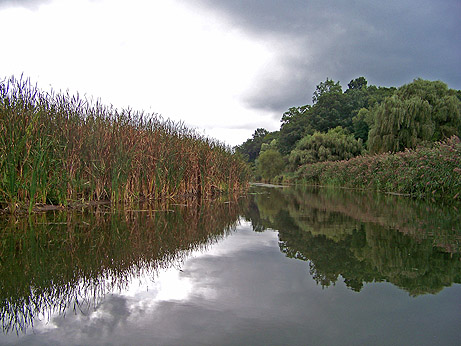
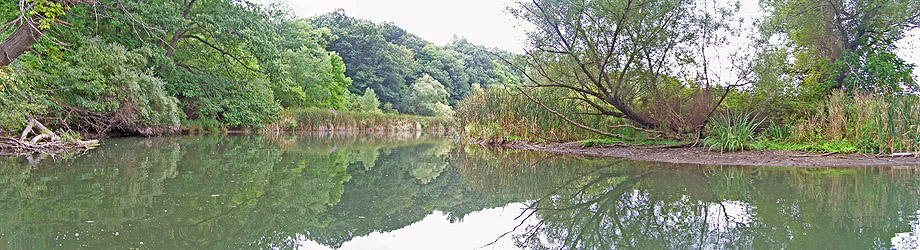
Lucien Morin Park is located on the north side of Ellison Park and continues to Irondequoit Bay. This marsh area is great for canoe and kayak access to the bay. In 2001, an additional 12 acres were acquired in the wetlands area.
Rules and Regulations
- Lucien Morin Park has a carry in-carry out rule, which means you must take all your garbage with you for disposal after leaving the park.
- All pets must be leashed and you are responsible for cleaning up after them.
Common Recreation Activities at Lucien Morin Park
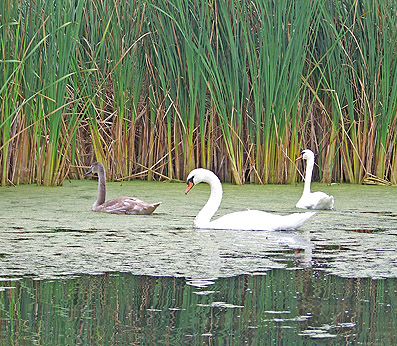
- Birdwatching
- Cross-Country Skiing (non-groomed)
- Fishing- Fishing is allowed in Lucien Morin Park as long as those fishing are following NYS Department of Environmental Conservation guidelines and rules and have the required licenses.
- Geo-caching (approximately 10 caches)
- Hiking/Running
- Kayaking/Canoeing
What are Wetlands?
Wetlands are areas where water covers the soil, or is present either at or near the surface of the soil all year or for varying periods of time during the year, including during the growing season. Water saturation (hydrology) largely determines how the soil develops and the types of plant and animal communities living in and on the soil. Wetlands may support both aquatic and terrestrial species. The prolonged presence of water creates conditions that favor the growth of specially adapted plants (hydrophytes) and promote the development of characteristic wetland (hydric) soils.
Wetlands vary widely because of regional and local differences in soils, topography, climate, hydrology, water chemistry, vegetation, and other factors, including human disturbance. Indeed, wetlands are found from the tundra to the tropics and on every continent except Antarctica. Two general categories of wetlands are recognized: coastal or tidal wetlands and inland or non-tidal wetlands.