I. Naloxone Box Business Owners and Naloxone Education
Monroe County's first call-to-action campaign will focus on educating and raising awareness of Naloxone Boxes and Naloxone availability. To bring this campaign to life, we are launching a series of video interviews featuring local Monroe County business owners who have stepped up to host these free, public boxes in their establishments. By highlighting these local leaders, the campaign aims to show how accessible Naloxone is in our everyday neighborhoods and dismantle the stigma surrounding substance use disorder.
Campaign I Objectives:
-
Increase knowledge of Naloxone Boxes and naloxone availability within Monroe County and how to effectively use naloxone.
-
Motivate community members to become action ready and support people with substance use disorder (SUD).
-
Reduce community stigma associated with substance use.
Call-to-Action Campaigns Launch in Monroe County
Find free Naloxone near you today!
II. New York State 911 Good Samaritan Law
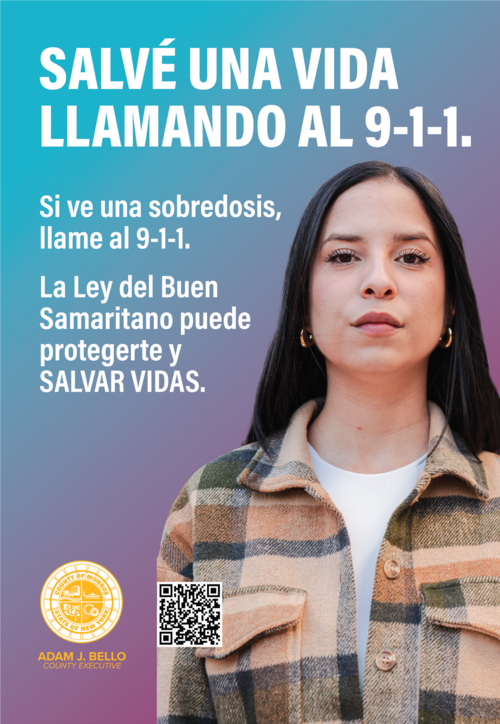
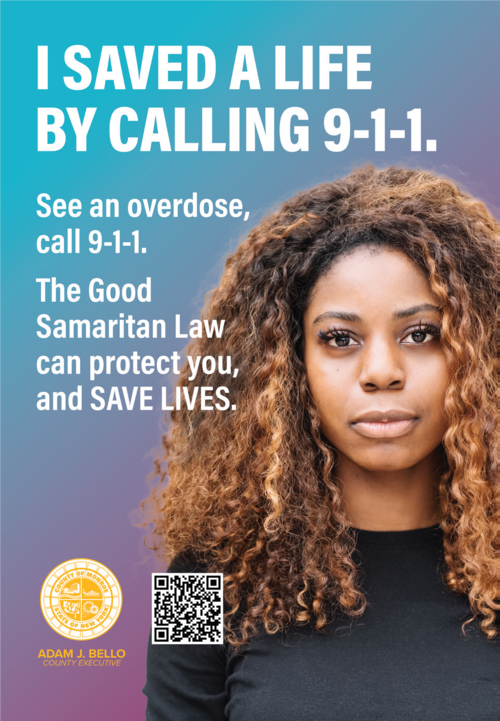
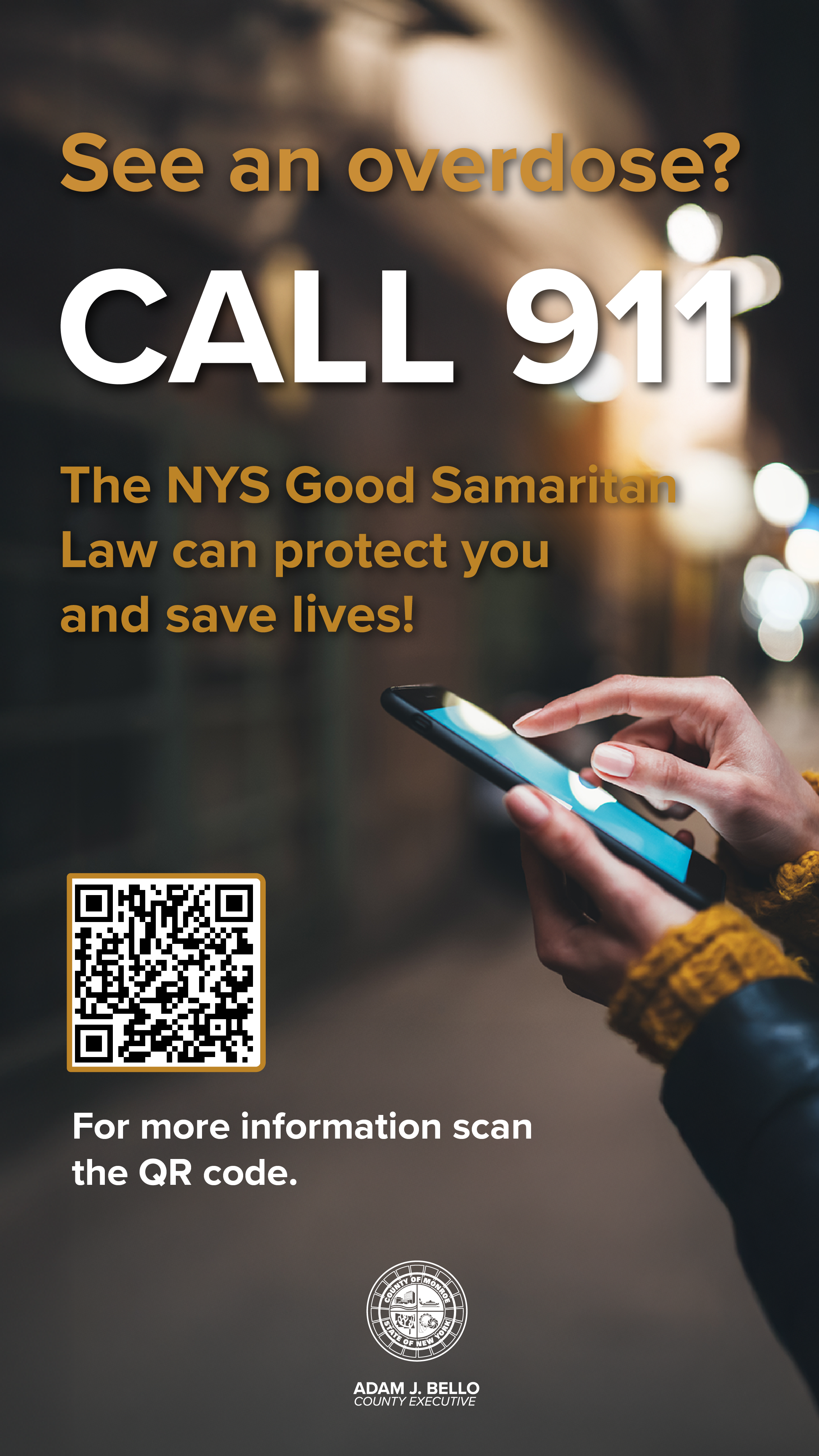
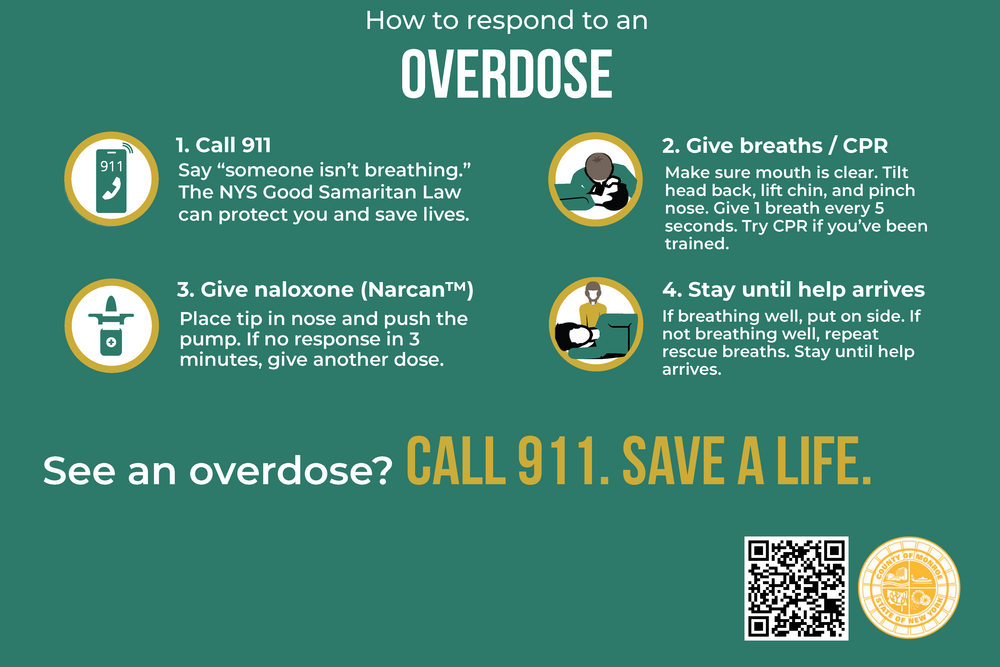
The Call-to-Action Campaign II aims to educate Monroe County residents about the New York State 911 Good Samaritan Law. Our goal is simple: eliminate misinformation, prevent fatal overdoses, and ensure our community members feel safe and ready to step in during a medical emergency.
To reinforce this message, the Monroe County Sheriff’s Office (MCSO) and the Rochester Police Department (RPD) have partnered to create a series of educational videos featuring local law enforcement leadership. Together, we want every resident to know:
"See an overdose? Call 911. The New York State Good Samaritan Law can protect you and save lives."
*For more information regarding the NYS Good Samaritan Law please visit: NYS 911 Good Samaritan Law
 For First Aid, CPR and AED training visit: Red Cross Training | Take a Class | Red Cross
III. Cocaine Contaminated with Fentanyl Awareness Campaign
Call-to-Action Campaign III is dedicated to educating and raising awareness among residents about dangerous contaminants in the local drug supply across Rochester and Monroe County.
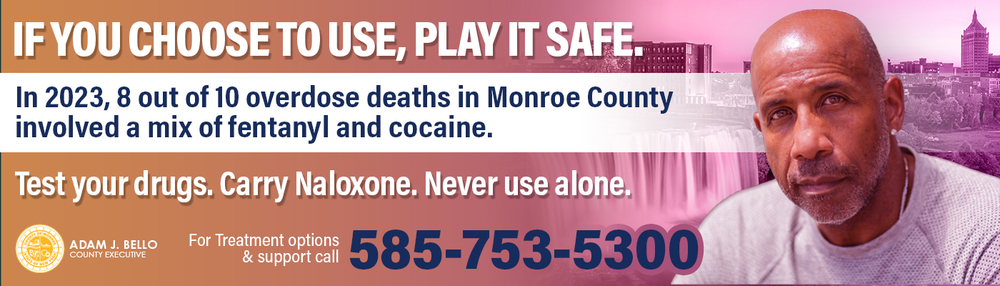
Our current initiative focuses on the critical issue of fentanyl-tainted cocaine. Because fentanyl is extremely potent and often hidden without the user's knowledge, understanding these risks can save lives.
Campaign III Objectives:
- Enhance community awareness regarding the contaminated drug supply, specifically cocaine laced with fentanyl.
- In 2023, 80 percent of overdose fatalities in Monroe County were linked to cocaine and fentanyl.
- Raise awareness of the contaminated drug supply within the African American community.
- Educate community about resources available through the Monroe County Department of Health Addiction Services
- Naloxone
- Fentanyl test strips
- Harm reduction strategies
- Connections to treatment and other services
- Increase community preparedness to take action in cases of emergency by implementing campaigns that inform and educate about substance use disorder (SUD).
* Source: 2023 Monroe County Medical Examiner's Report
Cocaine Contaminated with Fentanyl Awareness Campaign Placements
%20(002)-1000.jpg)
IV. Stop the Stigma, Start the Conversation Awareness Campaign
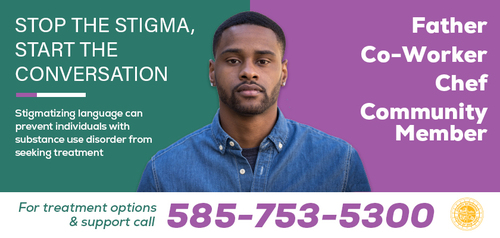
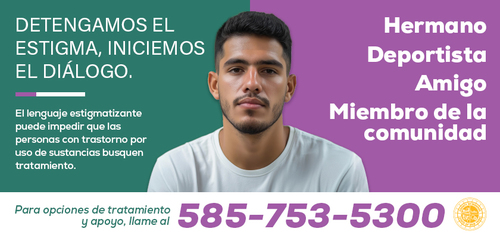
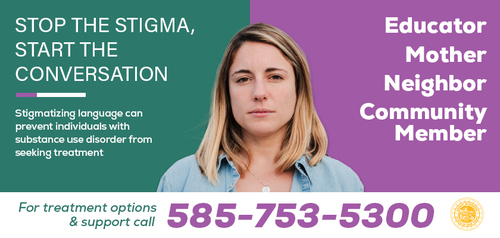
Call-to-Action Campaign IV addresses the stigma associated with substance use and calls on the community to have conversations about substance use, harm reduction, and treatment options.
The campaign highlights the work being done by the Get-It-Done Network, a network of Community Health Educators who own barbershops in Monroe County. Through a collaboration with Addiction Services and Common Ground Health, the Get-It-Done Network educates their clients about the dangers of Fentanyl and the contaminated drug supply in Monroe County. By providing Narcan, test strips and harm reduction education to at-risk individuals and their social networks, the Get-It-Done network is helping reduce overdose death and eliminate stigma in Monroe County.
Campaign IV Objectives:
- Target disproportionately affected groups
- Raise awareness on the dangers of fentanyl and contaminated drug supply.
- Make community aware of naloxone availability and importance of carrying it and knowing how to use it.
- Address stigma (language) surrounding substance use and begin the conversation about substance use and treatment options.
- Support those experiencing substance use disorders.
Stop the Stigma, Start the Coversation Ad Campaign
V. Faces of Recovery & Stories of Hope
Call-to-Action Campaign V features spokesperson videos from individuals with lived experience in recovery across diverse demographic groups.
In this campaign we highlight personal recovery journeys to demonstrate that treatment works and recovery is possible. We also work to eliminate stigma surrounding substance use disorders, foster greater community acceptance, support individuals affected by substance use disorders, and influence positive behavior change.
Campaign V Objectives:
- Target disproportionately affected groups (African American and Latino Community)
- Influence behavior change: Recovery is possible treatment works.
- Eliminate stigma surrounding substance use disorder.
- Community empowerment through storytelling.
- Provide community with services/ connection to treatment.
- Increase foot traffic to addiction services website and crisis hotline for additional resources and for treatment options.
Faces of Recovery Spokesperson Videos
View Kara Video With Closed Captions
View Waymon Video With Closed Captions
View Jon Video With Closed Captions
VI. Person-first Language- Anti-Stigma: Change the Words, Change the Outcomes.
Call-to-Action Campaign VI aims to reduce stigmatizing language across our community. We encourage everyone to adopt Person-First Language when speaking about or supporting a loved one, family member, friend, or neighbor experiencing a Substance Use Disorder (SUD).
The words we choose have a powerful impact. Research from the National Institutes of Health (NIH) shows that stigmatizing language can create shame and fear, often preventing individuals with substance use disorders from seeking the lifesaving treatment they need. By changing how we talk about addiction, we can break down barriers to recovery and build a more supportive, compassionate community.
What is Person-First Language? It means putting the person before the diagnosis—for example, saying "a person with a substance use disorder" instead of "an addict."
Campaign VI Objectives:
- Educate on the Importance of Person-First Language: Helping community members understand how putting the person before the diagnosis (e.g., saying "a person with a substance use disorder" instead of "an addict") restores dignity and respect.
- Eliminate Stigma and Generate Community Acceptance: Breaking down negative stereotypes surrounding SUD to foster an environment of understanding, empathy, and safety for everyone.
- Reduce Barriers to Treatment: Creating an open, accepting community so that individuals feel safe, supported, and encouraged to reach out for professional help without fear of judgment.
Learn More: Monroe County, NY - Stigma Awareness Hub
VI: Polysubstance Use Dangers and Tainted Drug Supply
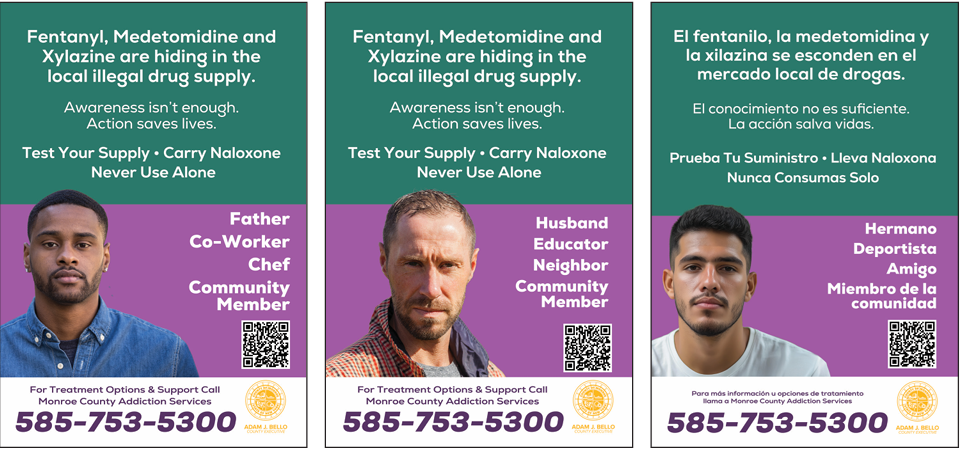
Call-to-Action Campaign VI is a public health initiative designed to inform residents about dangerous substances found in the local drug supply—specifically fentanyl, xylazine, and medetomidine.
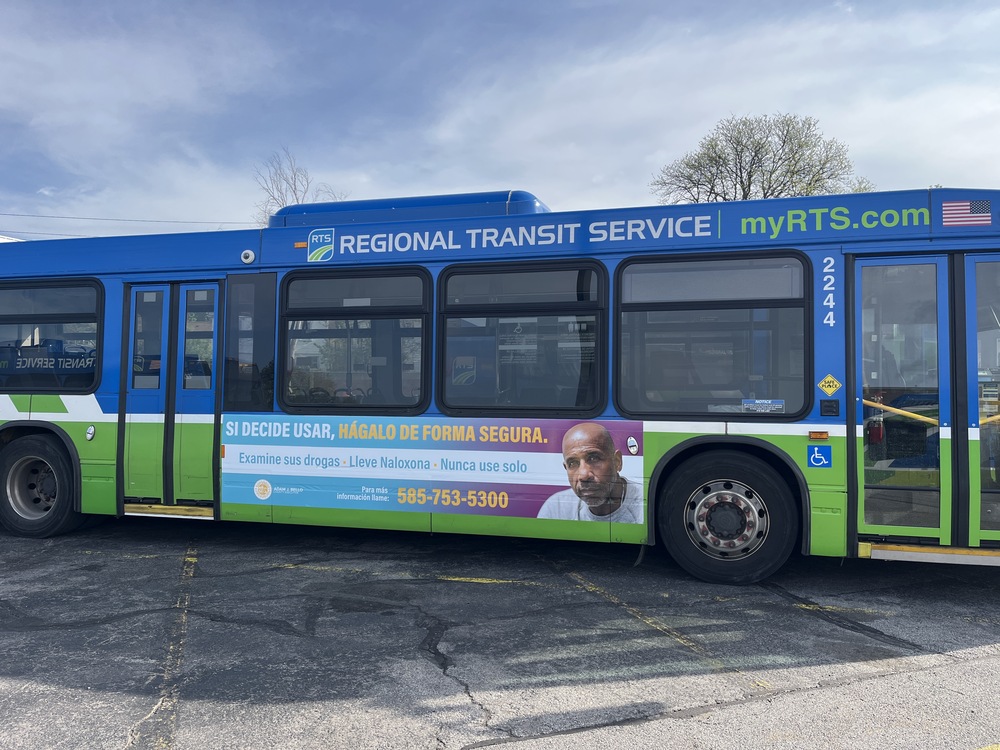
To reach all members of our community, campaign messaging will be featured on social media (Facebook, Instagram, YouTube), local news media, radio, and public transit advertisements across billboards, bus shelters, and RTS buses.
Key Actions
- Deploy Multi-Channel Media: Launch targeted ads across Facebook, Instagram, YouTube, local news, radio, billboards, bus shelters, and RTS buses.
- Raise Targeted Awareness: Inform high-risk neighborhoods including African American and Latino communities in Monroe County about synthetic opioids and non-opioid sedatives (fentanyl, xylazine, medetomidine) in local drugs.
- Distribute Harm Reduction Tools: Provide free Naloxone (Narcan) and drug test strips to the public.
- Connect to Care: Link residents directly to Monroe County Department of Public Health Addiction Services and local treatment programs.
- Increase community preparedness to take action in cases of emergency by implementing campaigns that inform and educate about substance use disorder (SUD).